Finding bed bugs has nothing to do with how clean your home is. That point is worth saying plainly, because the stigma around this pest keeps people from getting help and delay only makes an infestation harder to treat. Bed bugs South Texas homeowners encounter are the same ones showing up in four-star hotels, college dormitories, and freshly renovated apartments across the country. They hitchhike. Anyone can bring them home without knowing it.
Bed bug reports have been climbing steadily across Texas for more than a decade, and the Gulf Coast region is not exempt. If you are a Victoria or South Texas homeowner, understanding how these insects spread, what the signs actually look like, and what to do the moment you suspect an infestation is the most practical thing you can know. This guide gives you exactly that.
How Common Are Bed Bugs in South Texas?
Are bed bugs common in Texas? The short answer is yes, and the trend is moving in the wrong direction. Pest control companies nationwide have reported year-over-year increases in bed bug service calls since the early 2000s, when global travel expanded dramatically and populations that had been suppressed for decades began rebounding. Texas, as a major travel and logistics hub, has seen that pressure acutely.
In South Texas specifically, several factors combine to create consistent exposure risk. Victoria sits along Highway 59 and Interstate 77, with significant traffic from travelers, commercial drivers, and oil field workers cycling through the area regularly. Each one is a potential vector. Hotels, extended-stay properties, and short-term rentals along those corridors see high guest turnover, and a single infested room can send bed bugs home with multiple guests before it is ever detected.
Multi-family housing is where infestations spread fastest and prove hardest to contain. Once bed bugs establish in one unit of an apartment complex, they move through wall voids, electrical conduit, and shared plumbing to adjacent units. Commercial properties like multi-family housing complexes, extended-stay hotels, and senior living facilities require a coordinated treatment approach that addresses the entire affected zone, not just the unit where the complaint originated.
Myths vs. Facts About Bed Bugs
Misconceptions about bed bugs are part of what makes them so hard to catch early. Here are the three most common bed bug myths that cause homeowners to either miss an infestation or handle it incorrectly.
Myth: Only Dirty Homes Get Bed Bugs
This is the most damaging myth because it creates shame and delays treatment. Bed bugs are attracted to carbon dioxide and body heat, not dirt, clutter, or food. A spotless, professionally cleaned hotel room can be infested just as easily as any other space. Clutter can give them more places to hide, but cleanliness has no bearing on whether they arrive in the first place. They arrive on luggage, used furniture, clothing, and bags regardless of the condition of the home they enter.
Myth: You Would See Them If They Were There
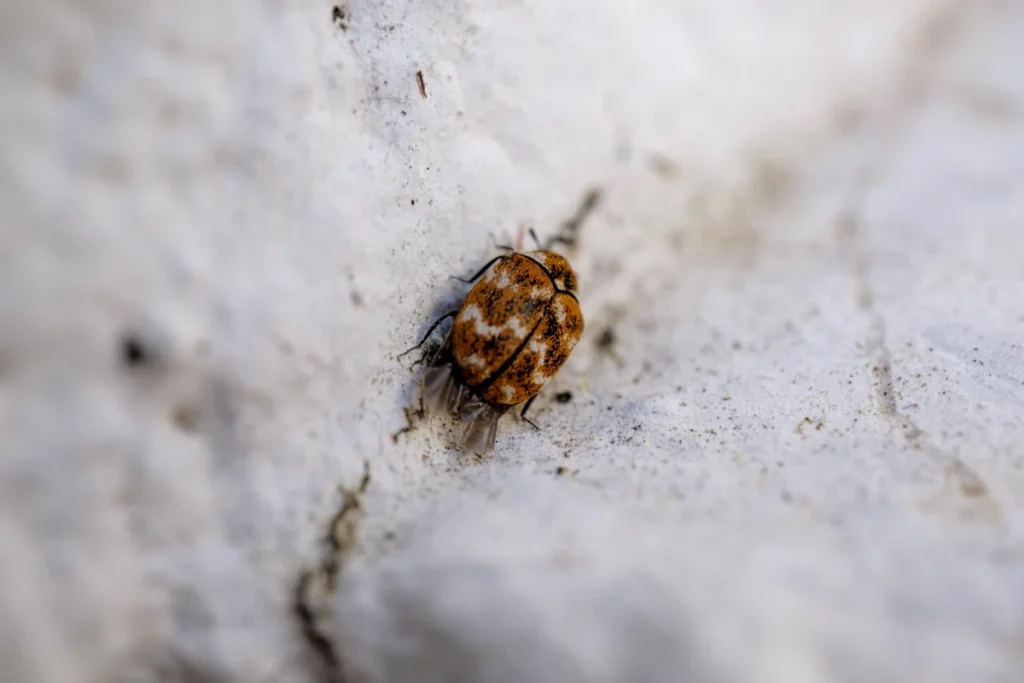
Adult bed bugs are about the size of an apple seed and visible to the naked eye, but the earlier life stages are not. Freshly hatched nymphs are translucent and roughly the size of a sesame seed. Eggs are white and about one millimeter long. Both are nearly invisible without a flashlight and a trained eye, especially in the dark crevices, seams, and tack strips where infestations typically begin. Most people are bitten for weeks before they find any physical evidence of the insect itself.
Myth: Bed Bugs Only Live in Beds
The name is misleading. While mattress seams and box springs are common harborage sites, bed bugs will establish anywhere within a few feet of where a person sleeps or sits for extended periods. Sofas and armchairs, baseboards and carpet edges, electrical outlets, picture frame backs, inside nightstand drawers, and even inside laptop bags and luggage stored nearby are all documented hiding spots. A treatment that addresses only the mattress will not resolve an infestation that has spread beyond it.
How Do Bed Bugs Get Into Your Home?
Understanding how do bed bugs spread is the first step toward preventing a re-infestation after treatment. The answer is almost always passive transport. Bed bugs do not fly or jump. They crawl onto objects and wait.
The most common entry points into a home include:
- Hotels, Airbnbs, and vacation rentals. Luggage left on the floor or bed in an infested room is the most common transfer mechanism. Bed bugs can crawl into zipper tracks, lining pockets, and folded clothing within hours.
- Secondhand furniture. Upholstered items sofas, chairs, mattresses, and headboards picked up from curbsides, estate sales, or online marketplaces are among the highest-risk items to bring indoors without inspection.
- Apartment complexes and shared buildings. Neighbors, shared laundry facilities, and common hallways all create pathways for bed bugs to migrate between units. Residents of multi-unit buildings face ongoing reinfestation risk if adjacent units are not treated simultaneously.
- Laundromats. Shared laundry equipment and folding tables are underappreciated transfer points. Transporting laundry in a reusable bag, washing on the hottest appropriate cycle, and folding clothes at home rather than on shared surfaces reduces this risk.
- Overnight guests. Guests who have unknowingly picked up bed bugs during their own travel can introduce them via luggage or clothing. This is not a reason to stop hosting. It is a reason to know what early signs look like.
What to Do If You Suspect Bed Bugs
If you wake up with unexplained bites arranged in a line or cluster, find small rust-colored stains on your sheets, or spot tiny dark specks along your mattress seams, take those signs seriously. Here is what to do and what not to do.
Do not throw out your mattress. This is one of the most common and costly mistakes. Dragging an infested mattress through your home spreads bugs to every room you pass through. And replacing the mattress does not address the infestation in your walls, baseboards, and furniture. You will still have bed bugs and now also need a new mattress.
Do not use bug bombs or foggers. Total-release foggers do not penetrate the cracks and crevices where bed bugs hide. What they do accomplish is causing the insects to scatter deeper into the wall voids and adjacent rooms, significantly expanding the treatment area needed and making the infestation harder to resolve.
Do call a professional right away. Bed bugs multiply fast. A female can lay one to five eggs per day for the duration of her lifespan. Early-stage infestations that are caught in one or two rooms are far less expensive and disruptive to treat than established ones that have spread throughout a home. Our residential pest control team will assess the situation without judgment and give you a clear treatment recommendation.
How Professional Bed Bug Treatment Works
Effective bed bug treatment requires addressing every life stage simultaneously. Eggs, nymphs, and adults all need to be targeted, because a treatment that kills adults but leaves eggs behind will result in a resurgence within two to three weeks as those eggs hatch.
Thorough Inspection First. Our bed bug inspection covers every room in the home, not just the bedroom where bites were reported. We check mattress seams, box spring corners, headboard joints, baseboards, furniture upholstery, electrical outlets, and closet interiors. This full scope inspection tells us exactly where the infestation is concentrated and whether it has spread.
Targeted Multi-Method Treatment. Depending on the scope and severity, treatment may include residual liquid applications to harborage areas, dusts applied inside wall voids and electrical outlet boxes, and mattress encasements to eliminate harborage on sleeping surfaces. All treatment protocols are designed to reach eggs, nymphs, and adults, since no single product is effective against every life stage on its own.
Follow-Up Verification Visit. We schedule a follow-up inspection two to three weeks after the initial treatment to confirm the infestation has been resolved before eggs laid at the time of treatment have had time to hatch and re-establish. If activity is still present, we retreat at no additional charge under our service guarantee.
Think You Might Have Bed Bugs? Let’s Find Out.
The sooner a bed bug infestation is confirmed and treated, the smaller the problem stays. There is no reason to feel embarrassed about calling. Our team handles these situations regularly and approaches every home with the same straightforward professionalism.
Schedule your bed bug inspection at pestsolutionstx.com or call us today. Same-week appointments are available.
Frequently Asked Questions About Bed Bugs in Texas Homes
Can I get rid of bed bugs on my own?
DIY bed bug treatments rarely eliminate an infestation fully, and some like foggers and over-the-counter sprays actively make things worse by scattering the population. Heat treatment using a clothes dryer on high for at least 30 minutes can kill bed bugs on washable items, and that is a useful supplemental step. But treating the actual living spaces, wall voids, and furniture requires professional-grade products applied to specific harborage areas with knowledge of bed bug behavior. Most DIY attempts delay the inevitable call to a professional while giving the infestation more time to spread.
How long does professional bed bug treatment take to work?
Most customers see a significant reduction in activity within the first week following treatment as adults and nymphs come into contact with treated surfaces. Because eggs are resistant to most liquid treatments, a follow-up visit two to three weeks later is standard practice to address any newly hatched nymphs before they reach reproductive maturity. For severe infestations in multi-room homes, a second full treatment may be needed. The timeline from first treatment to full resolution typically ranges from two to six weeks depending on the severity.
Do I need to throw away my furniture after a bed bug infestation?
In most cases, no. Professional treatment can address bed bugs in upholstered furniture, mattresses, and box springs without requiring disposal. Mattress and box spring encasements are often installed as part of treatment, sealing any remaining insects inside where they cannot feed and eventually die. Disposal is only recommended when furniture is so heavily infested or structurally compromised that it cannot be treated effectively. Your technician will make that call during the inspection and discuss it with you directly before any treatment begins.