Mosquito season Victoria TX does not follow the same calendar as the rest of the state. While homeowners in Dallas or San Antonio might get a few uncomfortable months, Victoria sits in a coastal climate zone where mosquitoes can be active from March through November, and in mild winters, they never fully disappear. The Gulf Coast combination of standing water, humidity, and warm temperatures creates conditions that allow mosquito populations to build fast and stay dense for months at a time.
For families trying to use their outdoor spaces, that is a real problem. Mosquitoes in this region are not just a nuisance. They carry diseases. And the longer the season runs, the more important it is to have a plan before peak pressure hits. Here is what Victoria homeowners need to know.
When Does Mosquito Season Start in Victoria?
When do mosquitoes start in Texas depends heavily on where you are in the state. In Victoria, the season typically kicks off in March as daytime temperatures consistently climb above 50 degrees Fahrenheit, which is the threshold mosquito eggs need to begin hatching. By April, populations are visibly active. From June through September, pressure is at its peak, with warm nights, regular rainfall, and abundant standing water keeping breeding cycles running continuously.
October and early November see activity taper off, but do not expect a hard stop. In years with mild winters, adult mosquitoes remain active well into December, and eggs laid in protected areas can survive a light frost and hatch again when temperatures rise. For practical purposes, Victoria homeowners should treat mosquito season as an eight-to-nine-month concern, not a three-month one.
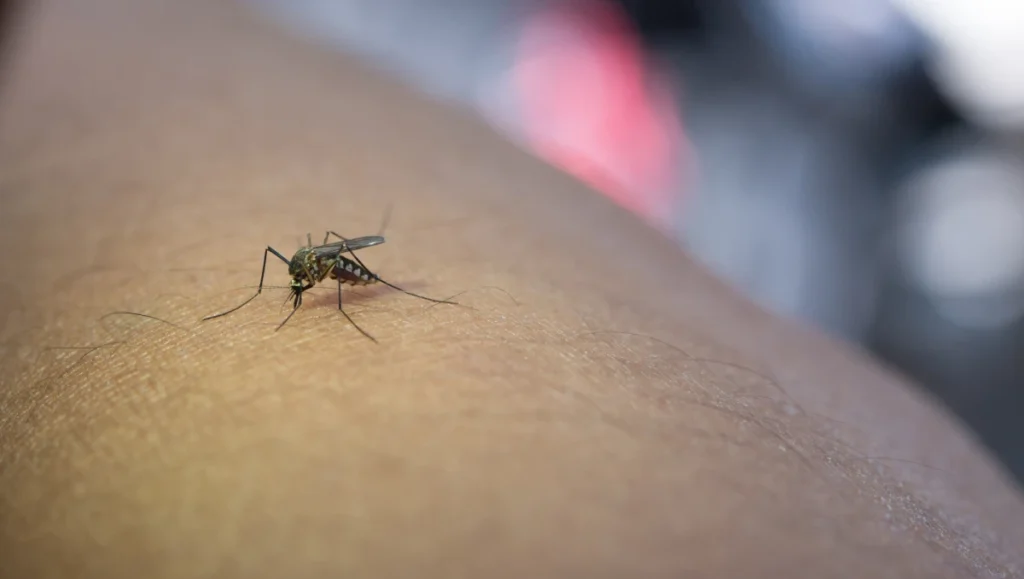
Why Victoria Gets Hit So Hard
Geography plays a significant role in Victoria’s mosquito problem. The city sits near the Guadalupe River, the Victoria Barge Canal, and a network of drainage ditches and low-lying areas that hold water after rainfall. Every storm event creates new breeding habitat. Floodwater mosquitoes can complete a generation in as little as seven to ten days, which means populations can explode within two weeks of a significant rain.
Humidity is the other major factor. Mosquitoes dehydrate quickly in dry conditions, which is part of why inland and West Texas have less severe seasons. The coastal air in Victoria keeps adult mosquitoes alive longer, allows them to travel farther from their breeding sites, and extends the window during which they actively bite. On humid, overcast days, some species will feed around the clock rather than just at dawn and dusk.
Add in the consistent warmth that rarely dips below freezing for more than a day or two, and you have a region that essentially offers mosquitoes a near-ideal year-round habitat. Managing them requires more than a citronella candle on the porch.
How to Reduce Mosquitoes Around Your Home
These mosquito control tips for Gulf Coast homeowners address the conditions that allow populations to establish in your yard. None of them alone will eliminate the problem, but together they reduce the breeding pressure that professional treatments then have to manage.
- Eliminate standing water every week. Flower pot saucers, birdbaths, kids’ toys, and tarps that collect water are all active breeding sites. Empty or scrub them every seven days without exception. Even a bottle cap holds enough water for dozens of mosquito larvae.
- Clean gutters and check downspout drainage. Clogged gutters are among the most overlooked mosquito breeding sites on a residential property. Water sitting in a leaf-filled gutter channel is warm, still, and protected from predators. Check them monthly during the season.
- Trim vegetation and ground cover. Adult mosquitoes rest in tall grass, dense shrubs, and low-hanging foliage during the day to avoid heat and sun. Keeping vegetation trimmed reduces the harborage area and makes barrier treatments more effective when applied.
- Add fans to outdoor seating areas. Mosquitoes are weak fliers. Even a modest breeze from an outdoor fan disrupts their ability to land. On a covered patio, a fan pointed outward can significantly reduce biting activity during evening gatherings.
These steps support your yard care routine and reduce the load on any professional treatment you put in place. They are worth doing regardless of what else you do.

Professional Mosquito Control Options
DIY prevention reduces breeding habitat but does not address the adult mosquitoes already active in your yard or those migrating in from neighboring properties and green spaces. For effective population reduction, professional mosquito control treatments are the most reliable option.
Barrier Spray Treatments. Our technicians apply a residual product to the foliage, shrubs, and shaded areas where adult mosquitoes rest during the day. The treatment kills on contact and continues working for three to four weeks after application. Most customers schedule monthly treatments from March through October to maintain consistent coverage through the full season.
Mosquito Misting Systems. For homeowners who want automated, on-demand protection, in-ground misting systems deliver timed treatments around the perimeter of the yard. Systems can be programmed for early morning and dusk releases or triggered manually before outdoor events. They are particularly popular in households with young children or pets who spend significant time outdoors.
Recurring Service Plans. A single treatment provides temporary relief. A seasonal plan keeps pressure consistently low from the first warm weeks of spring through the final active months of fall. Our mosquito control program includes scheduled visits, in-between callbacks if activity spikes after a major rain event, and larval treatment for any water features on the property.
Protecting Your Family from Mosquito-Borne Disease
Victoria and the surrounding Gulf Coast region are within the established transmission zones for both West Nile virus and Zika virus. West Nile is the more consistently reported of the two in Texas, with cases occurring every summer across the state. Most people who contract it experience mild or no symptoms, but older adults and those with compromised immune systems are at higher risk for serious neurological complications.
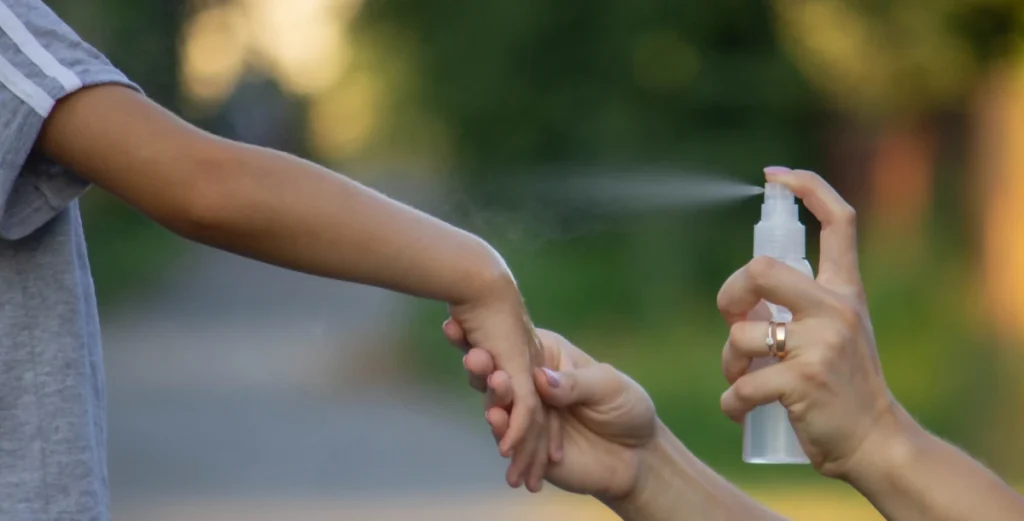
The mosquitoes that transmit these diseases are most active at dawn and dusk. During peak summer months, activity at those times can be intense in yards that have not been treated. When spending time outdoors during these windows, use an EPA-registered repellent containing DEET, picaridin, or oil of lemon eucalyptus. Lightweight long sleeves and pants are worth the minor discomfort during high-risk evenings.
Children under two months of age, pregnant women, and elderly individuals should take extra precaution. If you notice unusual neurological symptoms following mosquito activity in your area, contact a physician promptly. The Goliad and Victoria County health departments issue mosquito activity advisories during high-risk periods, which are worth monitoring during peak season.
Get Ahead of Mosquito Season This Year
The best time to schedule your first mosquito treatment is before peak season pressure builds in late spring. Starting early means fewer breeding cycles get established in your yard and your outdoor spaces stay usable through the long South Texas summer.
Schedule your mosquito treatment at pestsolutionstx.com or call us today. We serve Victoria and the surrounding coastal Texas area.
Frequently Asked Questions About Mosquito Season in Victoria, TX
How long does mosquito season last in Victoria, TX?
In Victoria, active mosquito season typically runs from March through November, making it roughly eight to nine months long in a typical year. Peak pressure falls between June and September when heat, humidity, and rainfall combine to support rapid breeding cycles. In mild winters, adult mosquitoes can remain active into December and populations rebound earlier the following spring. This extended season is one reason Gulf Coast homeowners benefit most from a recurring seasonal treatment plan rather than a one-time application.
How do I reduce mosquitoes in my yard without chemicals?
The most effective non-chemical approach is eliminating standing water, which is where mosquitoes breed. Empty anything that holds water once a week: flower pot saucers, gutters, tarps, birdbaths, and toys. Trim dense vegetation where adult mosquitoes rest during the day, and use outdoor fans on patios to disrupt their flight. These steps genuinely reduce local populations. That said, in the Victoria area, neighboring properties, bayous, and storm drainage systems continuously reintroduce mosquitoes regardless of what you do in your own yard. Professional barrier treatments remain the most reliable way to reduce how to reduce mosquitoes in yard to a manageable level throughout the full season.
Are professional mosquito sprays safe for kids and pets?
Yes, when applied by a licensed technician at labeled rates. The products we use are approved by the EPA for residential use and break down quickly once dry. We recommend keeping children and pets off treated surfaces until the application has dried, typically 30 to 45 minutes after treatment. We will always tell you the re-entry window before we leave. If anyone in your household has specific sensitivities or allergies, let us know in advance and we can review the product label with you and discuss any adjustments to the application approach.